
Climate crisis is narrowing girls’ futures: Why we must invest in girls’ rights now
As the climate crisis deepens, it threatens progress towards gender equality, with girls and young women particularly affected. Nine in ten girls and young women surveyed by Plan International reported that climate-related shocks and extreme weather events placed serious pressure on their households’ survival, health and stability.
Leena Mubarak, Senior SRHR Advisor, and Katja Pellini, Senior Climate Advisor at Plan International Finland, explore how the climate crisis affects girls’ sexual and reproductive health and rights, and why these issues must be addressed in climate action and financing.
“Plan International’s research, Change her Forecast, launched for the UN International Day of the Girl Child, draws on the experiences of 5,000 girls and young women in Bangladesh, Kenya, Peru, Senegal and Zimbabwe, alongside an analysis of demographic and climate data from 52 countries. The findings help explain how climate change is significantly affecting girls’ sexual and reproductive health and rights, and why these connections need greater attention in policy decisions and funding priorities.
Droughts, floods and heatwaves not only damage livelihoods and infrastructure, but also reduce access to education, healthcare, social support networks and essential services. As a result, more girls are exposed to gender-based violence, child marriage and unintended pregnancies.
Among survey participants, 68 % reported personally struggling to access at least one sexual and reproductive health service following a climate-related event. Menstrual health was the most frequently reported access challenge, followed by sexual health information, education or counselling, while 17 % reported difficulties accessing contraception.
Girls described the realities of living through climate-related disruptions: roads become impassable, transport becomes unaffordable and managing menstruation without access to water and privacy. As schools close and communities are displaced, trusted sources of information and support also become harder to reach.
The consequences extend beyond disrupted services. Participants described how the loss of harvests, livestock and household income made it harder to afford food and continue education, while marriage could become a perceived route to economic security. Some spoke of exploitation by men offering money or food. Displacement and economic insecurity can increase their exposure to violence, exploitation and other forms of harm.
Ministry for Foreign Affairs of Finland has supported Plan’s work on climate resilient SRHR through the My Body My Future programme 2018–2025. Alongside strengthening girls’ knowledge, agency and access to services and enabling environment, the programme incorporated climate awareness into sexuality education and worked to include SRHR in local disaster and climate action plans. The MFA-supported BRAVE programme continues this work in six countries, with greater attention to how climate pressures affect girls’ health, safety and opportunities.
The new research strengthens the case for sustained investment in sexual and reproductive health and rights in climate, development and humanitarian financing. Governments and international donors therefore have two connected responsibilities: to sustain predictable, multi-year SRHR financing, and to include adolescent girls’ SRHR explicitly in climate adaptation plans and budgets. This means funding preparedness before a crisis, maintaining support through recovery, and connecting health services with education and social protection where these shape girls’ choices.
Girls themselves called for comprehensive sexuality education, youth-friendly health services, engagement with parents and community leaders, and trusted local networks that can continue providing information and assistance during times of crisis. Ensuring that girls and young women, in all their diversity, are actively involved in shaping, implementing, and monitoring climate and SRHR responses is essential to building resilience and sustainable outcomes.
For UN Member States, protecting SRHR requires continued political commitment backed by investment. National budgets, development, humanitarian and climate finance today each have a role in ensuring that girls can exercise their rights under changing conditions in the years ahead. The measure of these commitments is whether SRH services, knowledge and support remain within reach when girls need them.”
Leena Mubarak, Senior SRHR Advisor
Katja Pellini, Senior Climate Advisor
Plan International Finland
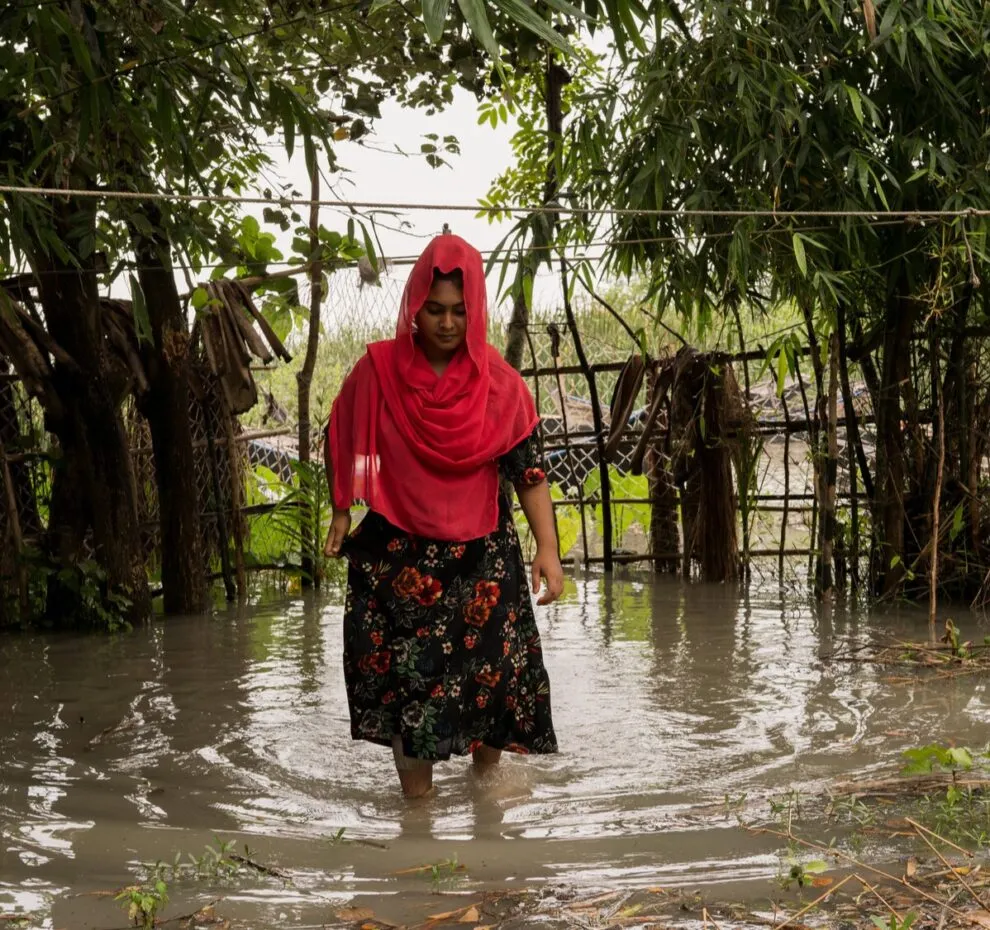
Photo: Plan International / Abhijit Shuvo. Sathi, 16, lives in a riverine community in Bangladesh’s Barguna District, where river erosion, floods, and cyclones make daily life increasingly difficult. Limited access to healthcare, unsafe water, and economic hardship have placed girls at greater risk, and Sathi experienced these challenges firsthand when her mother died during childbirth and her two older sisters married early.
Plan International’s Change her forecast research explores how the climate crisis fuels sexual violence, child marriage and unintended pregnancy, and limits girls’ futures.
The My Body My Future programme, supported by the Ministry for Foreign Affairs of Finland, ran from 2018 to 2025.
The programme has influenced 1 million people across Laos, Mozambique, Ethiopia, Uganda, Myanmar and Zimbabwe.
Stories and News
Updates on current news, stories and Finland’s engagement in the United Nations and the world.
News
Nordic Statement at the General Assembly Veto Debate (external link)
News
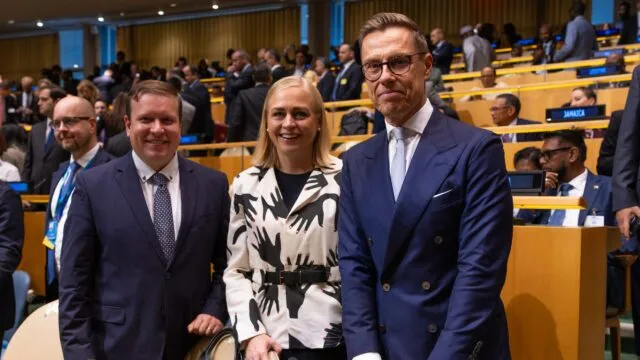
Finland advances UN reform and multilateral cooperation at High-Level Week
Speeches
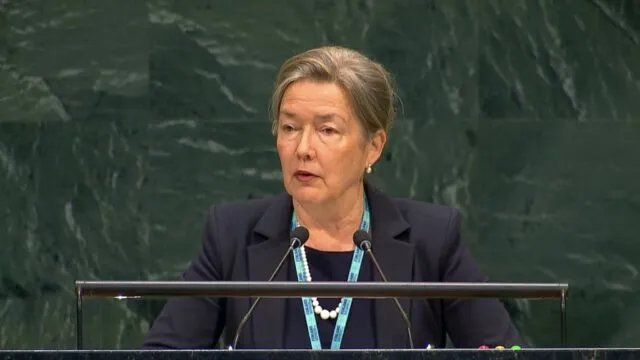
Statement by H.E. Ms. Elina Kalkku, Permanent Representative of Finland on behalf of the Nordic countries in GA Veto debate
Speeches
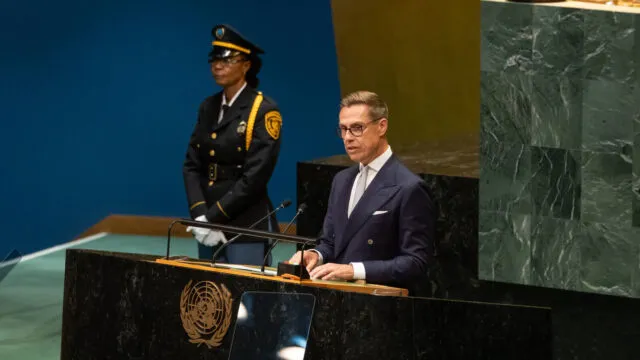
President Alexander Stubb at the General Debate of the 81st Session of the UN General Assembly 2026
News