News
Finland advances UN reform and multilateral cooperation at High-Level Week
During High-level Week of the 81st session of the United Nations General Assembly, Finland worked with partners from all regions of the world to address today’s most pressing challenges, from conflicts and geopolitical tensions to technological and climate change. High-Level Week provided an opportunity to advance dialogue on UN reform, strengthen partnerships and promote solutions through multilateral cooperation.
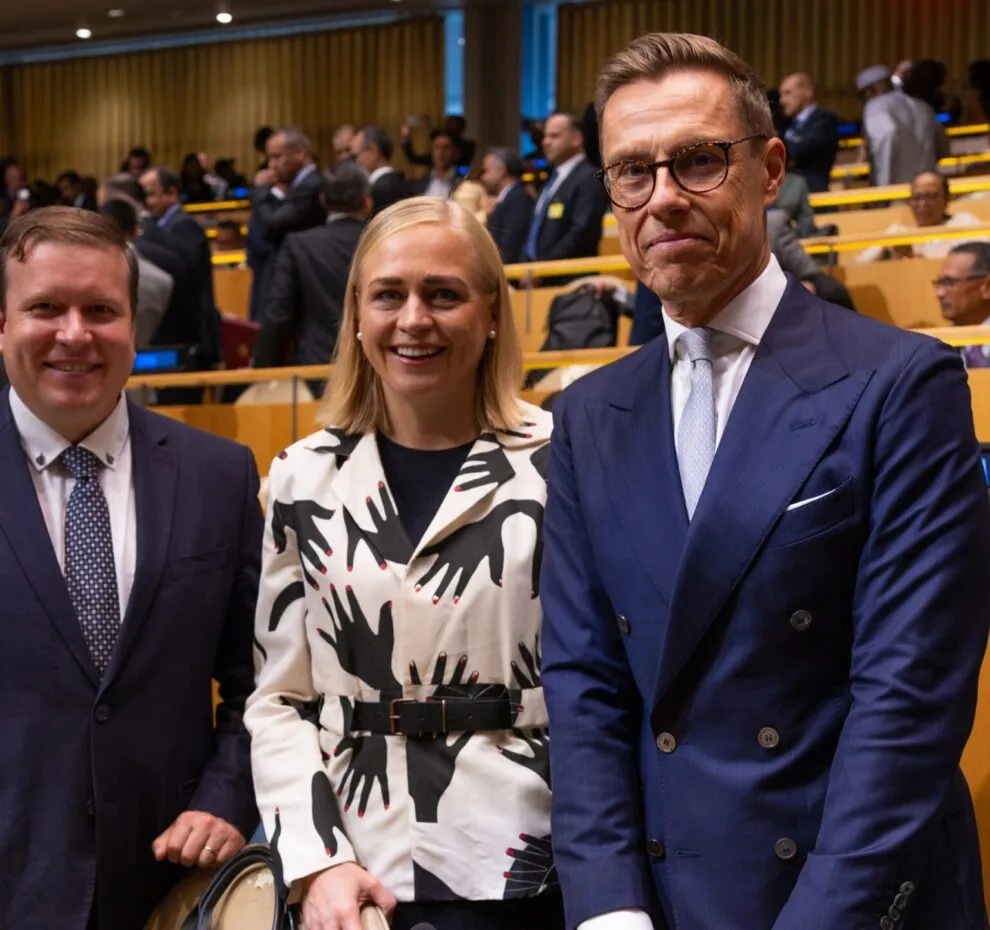
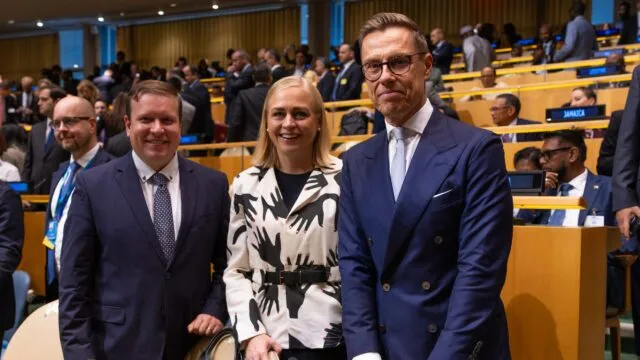
President of the Republic of Finland Alexander Stubb led the Finnish delegation, accompanied by Minister for Foreign Affairs Elina Valtonen and Minister for Foreign Trade and Development Ville Tavio.
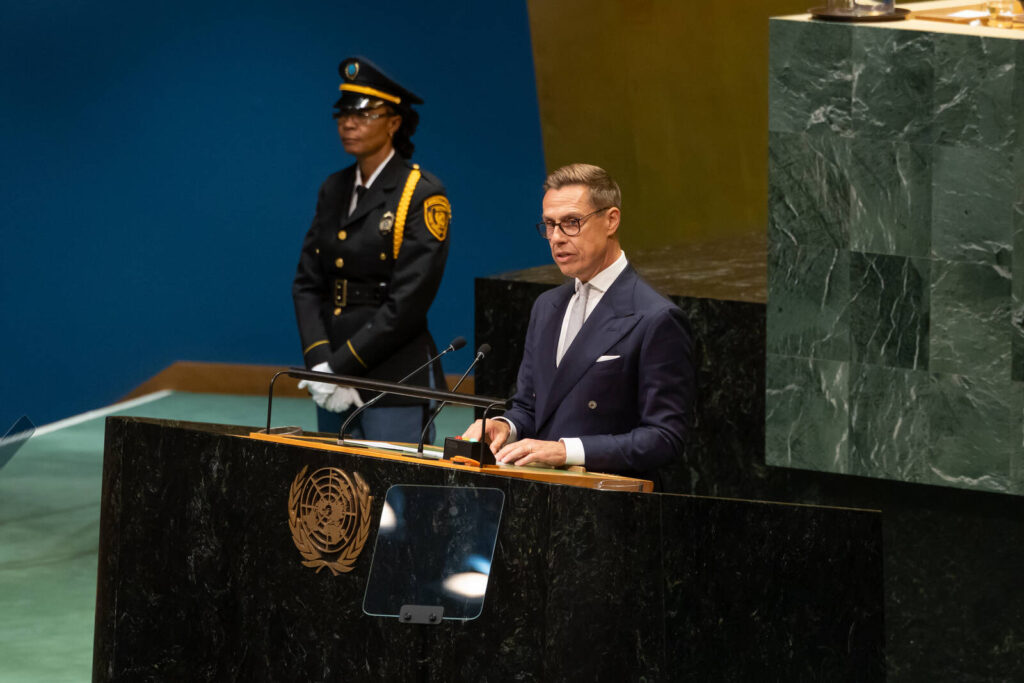
Photo: Agaton Strom
In his address to the General Debate of the UN General Assembly, President Stubb reaffirmed Finland’s strong commitment to multilateral cooperation, international law and the rules-based international system.
We should all be steadfast defenders of multilateralism. As Strobe Talbott reportedly remarked, multilateralism is hell, and can be a real pain in the neck. But it is the best option for humanity as a whole.
Alexander Stubb, President of the Republic
A central theme of Finland’s message was the need to strengthen and renew the United Nations to meet the realities of the 21st century. Finland called for reforms that would make the organization more representative, effective and capable of addressing today’s security challenges. In the Security Council, there should be, at least, two new permanent seats for Africa, two for Asia-Pacific and one for Latin America, and no state should have veto power.
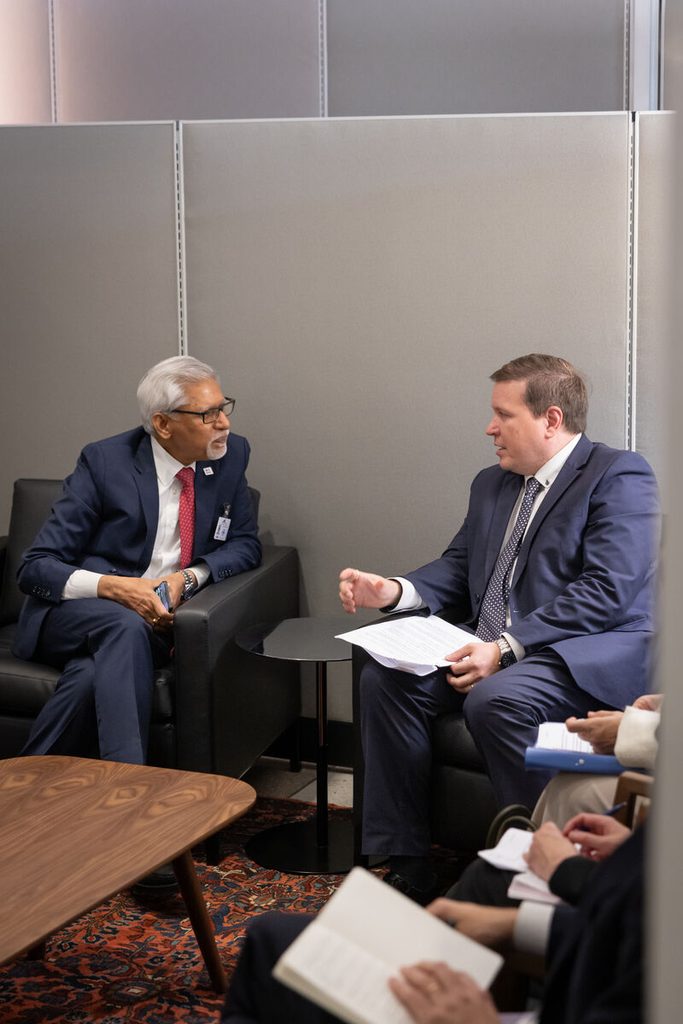
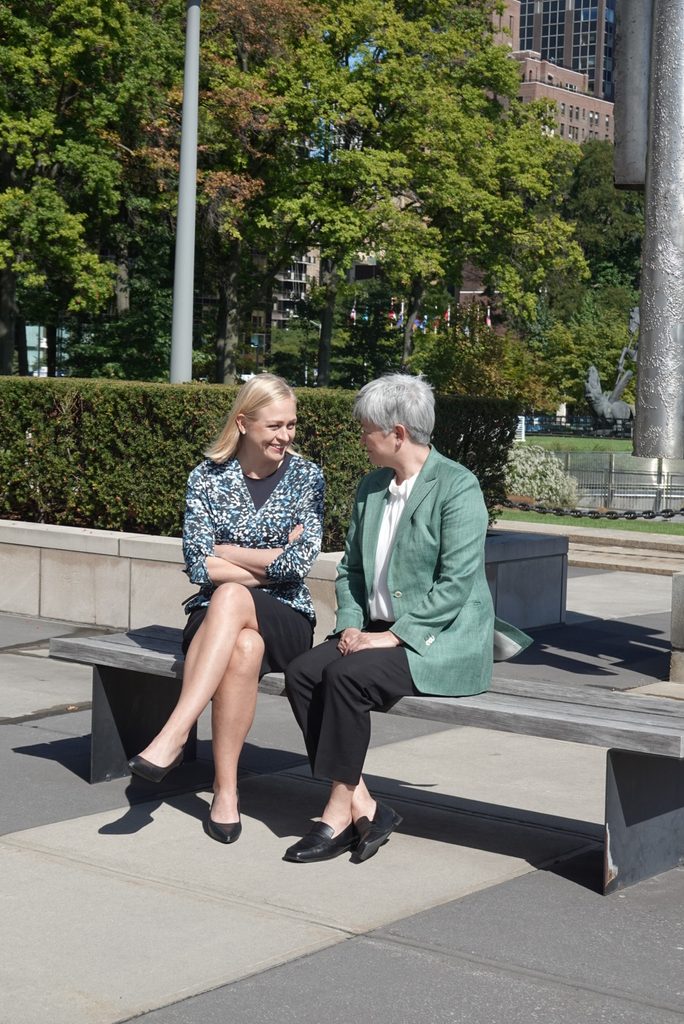
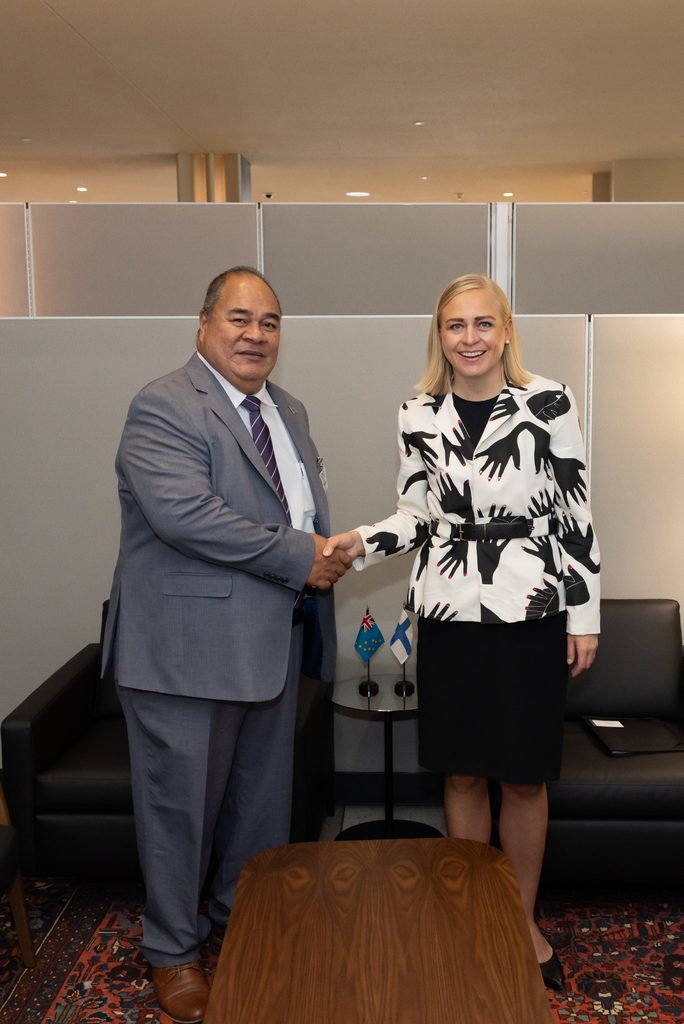
Photos: Agaton Strom and Katarina Roivainen
Throughout the week, the Finnish delegation held a wide range of bilateral and multilateral meetings with partners from all regions of the world. Discussions focused on issues that are shaping the international agenda, including Russia’s war of aggression against Ukraine, the situation in the Middle East, sustainable development, climate change and the future of the multilateral system.
Across meetings and events, Finland highlighted the importance of an international order based on international law, equal partnership and effective multilateral cooperation. High-Level Week provided a valuable opportunity to exchange views on how the United Nations can better respond to the needs and expectations of all its Member States.
From words to action: Discussing the UN’s Promise of Peace
One of Finland’s key contributions during the week was a high-level discussion on the role of the United Nations in advancing peace and security, hosted by President Stubb.
The panel brought together distinguished international leaders from different regions of the world, including President José Ramos-Horta of Timor-Leste, Deputy Prime Minister and Minister of Foreign Affairs Ayman Safadi of Jordan, Prime Cabinet Secretary and Cabinet Secretary for Foreign and Diaspora Affairs Musalia Mudavadi of Kenya, Prime Minister Anthony Albanese of Australia and Prime Minister Kristrún Frostadóttir of Iceland.
The discussion focused on a simple but important question: how can the international community make better use of the tools already available through the United Nations?
Panelists reflected on their national experiences in conflict prevention, peacebuilding and international cooperation. A recurring theme throughout the discussion was that preserving peace and security requires not only commitment to multilateralism but also practical action, political responsibility and sustained engagement by Member States.
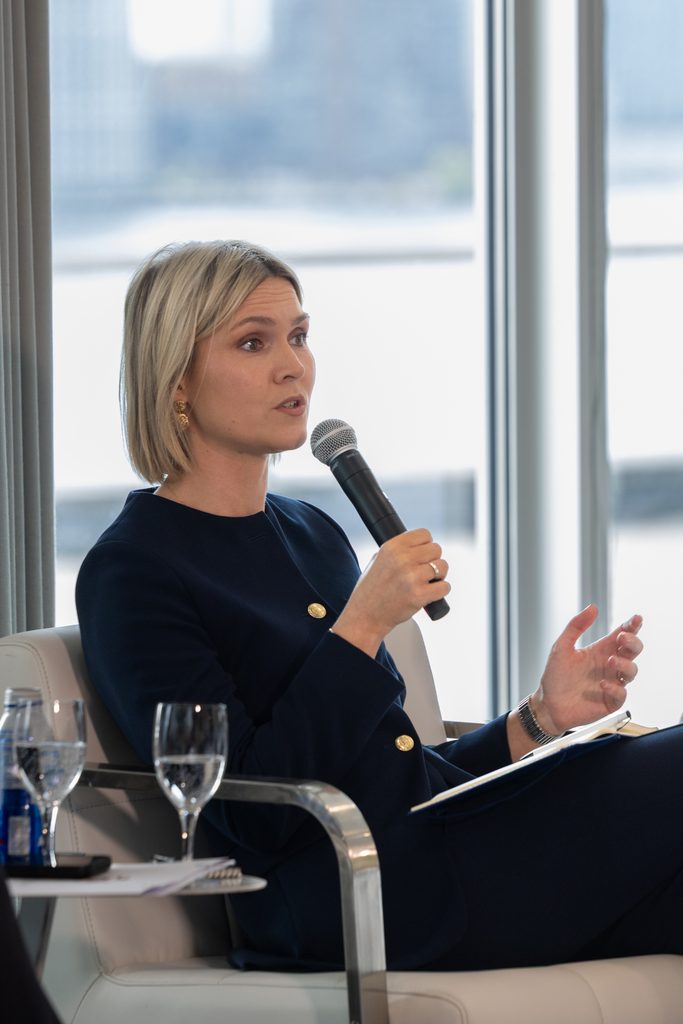
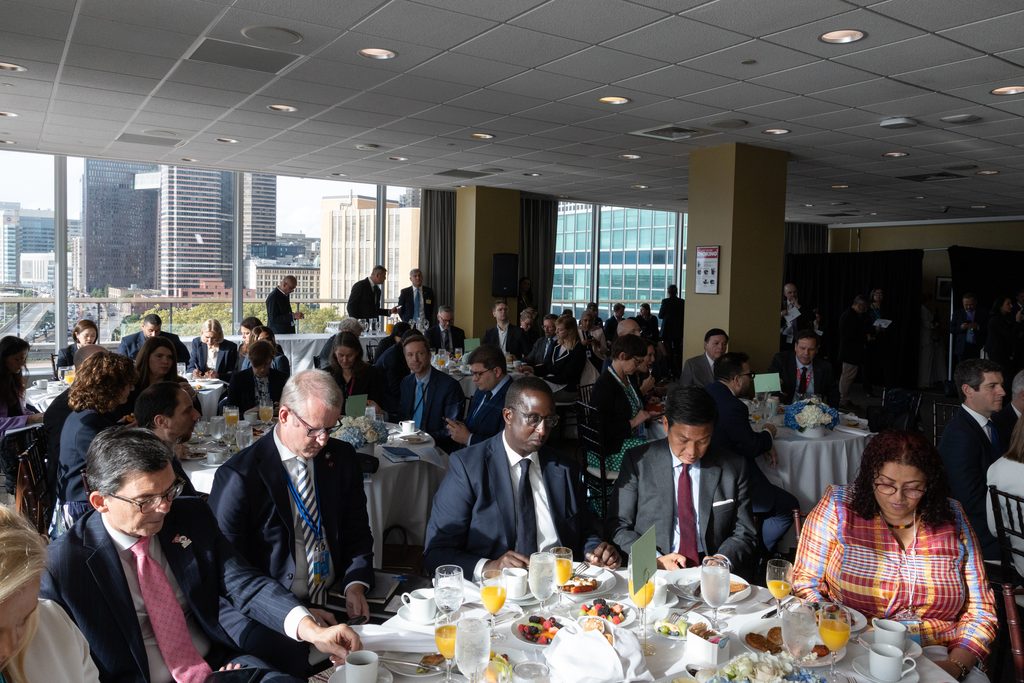
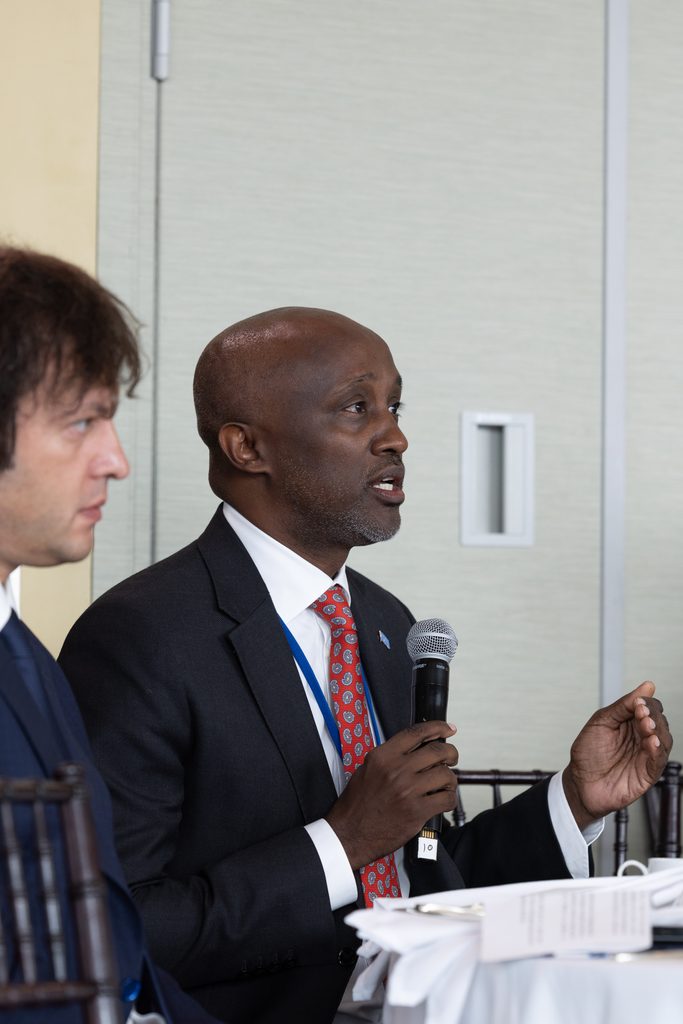
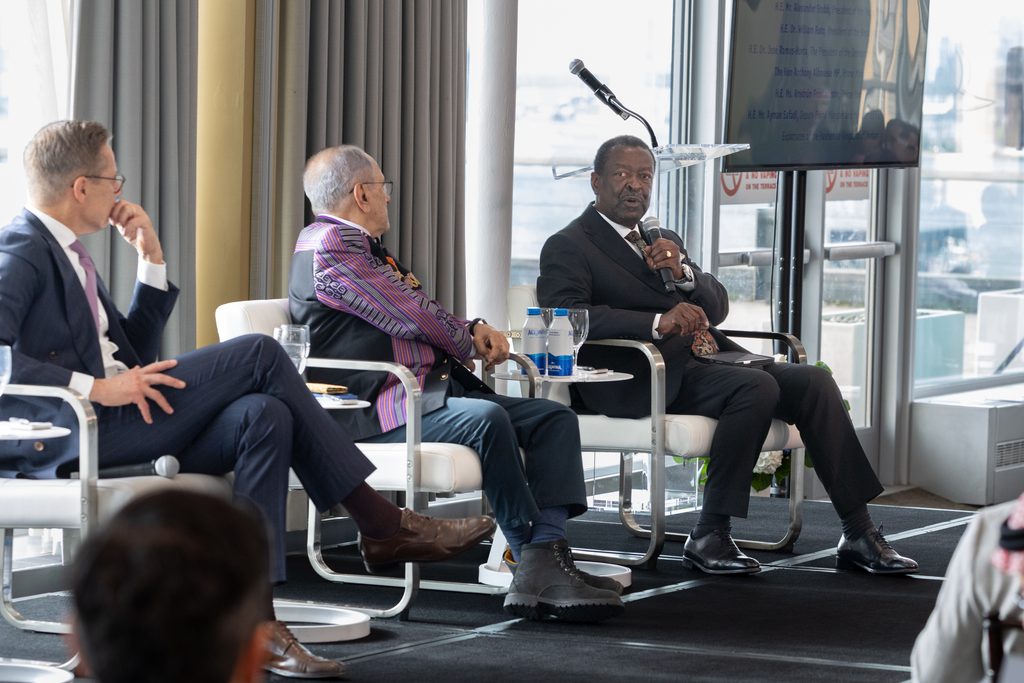
Photos: Agaton Strom
Keeping humanity in control of artificial intelligence
The rapid development of artificial intelligence emerged as one of the major themes of this year’s High-Level Week.
Recognising both the opportunities and risks associated with increasingly capable AI systems, President Stubb together with Norwegian Prime Minister Jonas Gahr Støre launched an international appeal aimed at ensuring that the most advanced AI models remain under meaningful human control.
The initiative reflects Finland’s broader approach to technology governance: embracing innovation while ensuring that technological development remains aligned with democratic values, human rights and international cooperation.
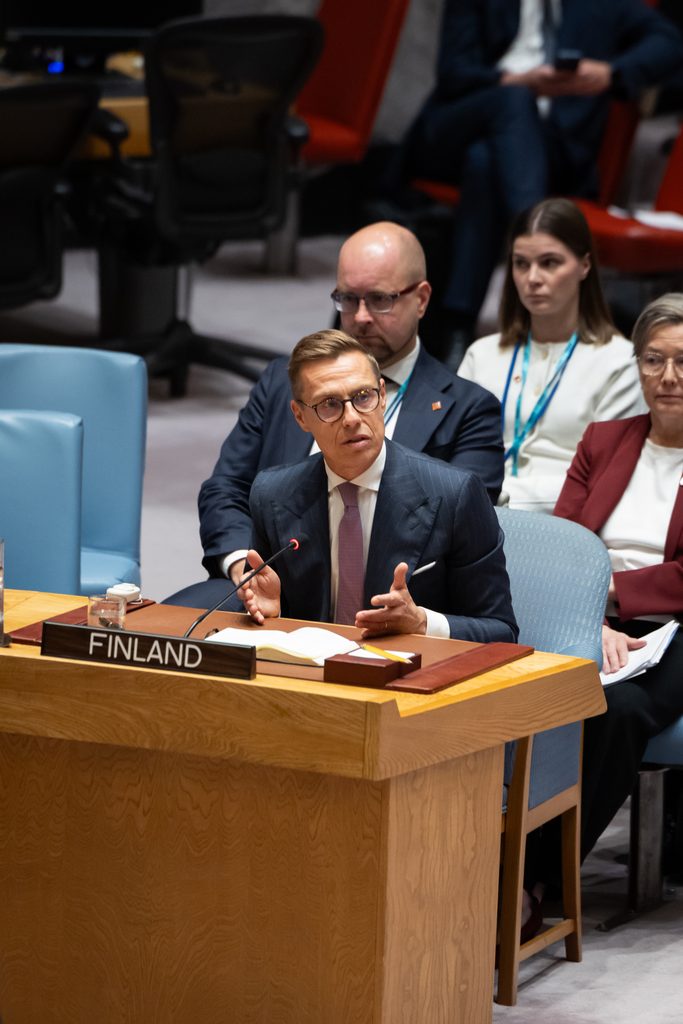
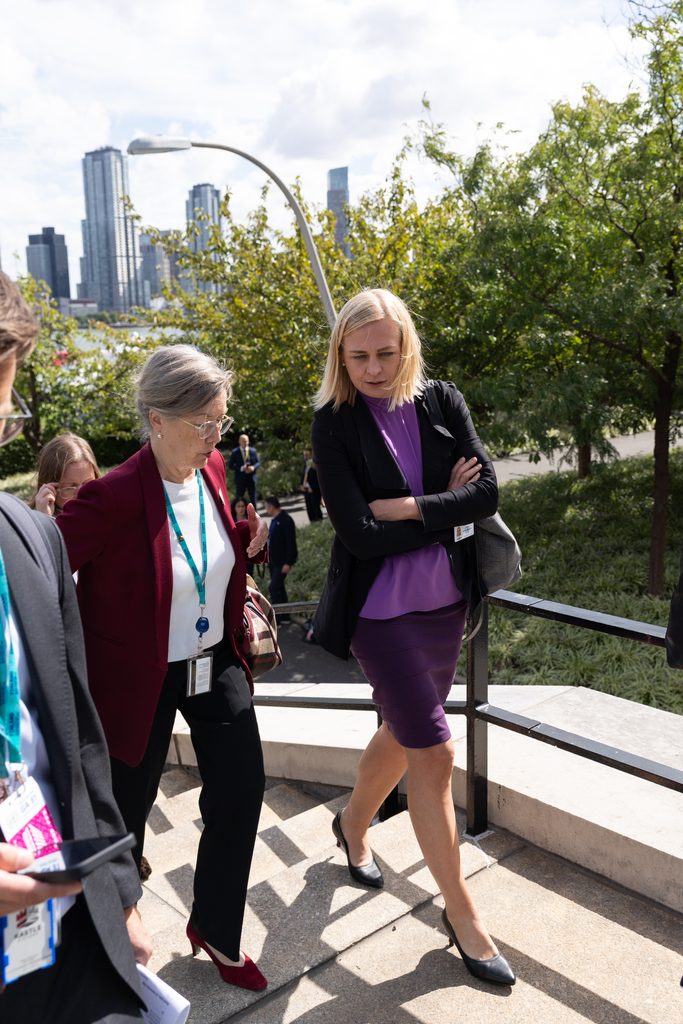
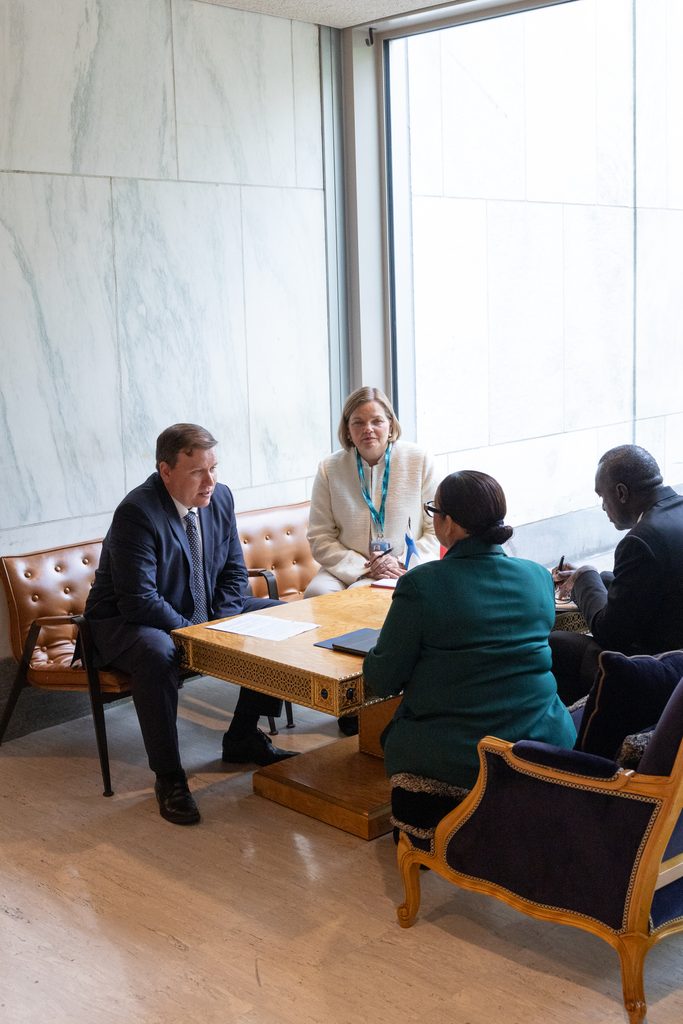
Photos: Agaton Strom
Whether discussing Security Council reform, peace and security, technological change, sustainable development or global partnerships, Finland’s message remained clear throughout the week: today’s challenges require countries that are prepared to work together and take responsibility. We already have many of the tools needed to address global challenges. The task now is to use them more effectively and ensure that the United Nations remains capable of delivering for future generations.
Headline photo: Emmi Syrjäniemi / Office of the President of the Republic
See more:
Stories and News
Updates on current news, stories and Finland’s engagement in the United Nations and the world.

Nordic Statement at the General Assembly Veto Debate (external link)
Finland advances UN reform and multilateral cooperation at High-Level Week
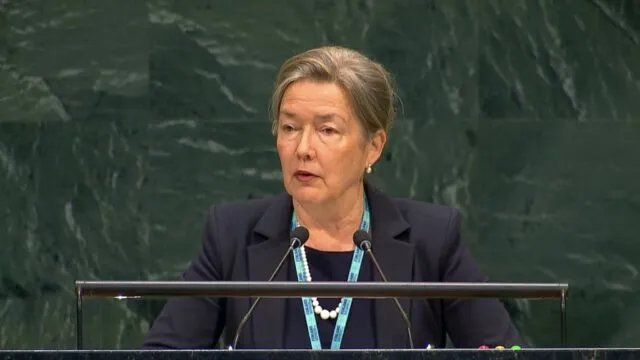
Statement by H.E. Ms. Elina Kalkku, Permanent Representative of Finland on behalf of the Nordic countries in GA Veto debate
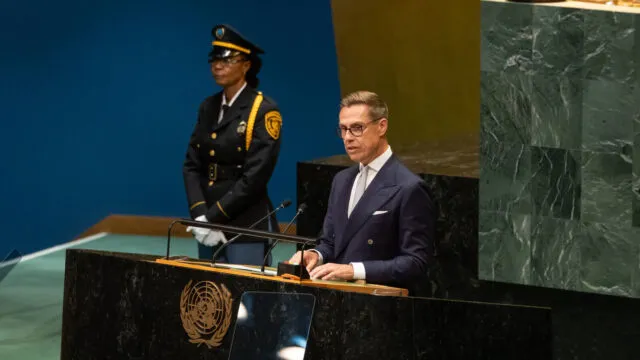
President Alexander Stubb at the General Debate of the 81st Session of the UN General Assembly 2026