News
World Humanitarian Day: Protecting People, Principles and Humanitarian Space
Humanitarian needs continue to grow worldwide. Conflict, displacement and climate-related disasters are pushing millions of people into despair and humanitarian need, while funding for humanitarian response is under increasing strain.
At the same time, aid delivery is becoming more dangerous. Humanitarian workers are facing unprecedented risks in some of the world’s most challenging environments. In 2025, 350 aid workers were killed, making it the second deadliest year on record after 2024 for humanitarian personnel. Overall, 1,187 aid workers were victims of major security incidents, including killings, kidnappings, injuries and detentions. (humanitarianoutcomes.org)
On World Humanitarian Day, Finland pays tribute to the humanitarian workers who provide life-saving assistance under increasingly difficult circumstances. Most humanitarian assistance is delivered by local and national responders working in their own communities. They are also the ones facing the biggest risks.
Across many conflicts, humanitarian space is shrinking as insecurity, access restrictions and political interference make it increasingly difficult to reach people. Humanitarian assistance must never be used as a bargaining tool and must reach affected populations safely.
Finland supports a principled humanitarian system grounded in humanity, impartiality, neutrality and independence. Respect for international humanitarian law is essential to protecting humanitarian workers, civilians and critical infrastructure and to ensuring that assistance reaches those most in need.
Finland is committed to ensuring that humanitarian assistance reaches people in the most vulnerable situations, such as women and girls, persons with disabilities. They are often disproportionately affected by crises and face additional barriers to accessing assistance. Effective humanitarian action requires the capacity to identify needs, collect reliable data and reach communities in the most difficult environments.
As humanitarian resources come under increasing pressure, flexible and needs-based financing is more important than ever. It enables humanitarian organisations to respond rapidly to emerging and escalating crises. Finland has answered this call by increasing its flexible funding, and funding to pooled funds to allow humanitarians to provide aid where people need it the most.
Finland remains committed to protecting civilians, strengthening respect for international law and supporting effective multilateral cooperation to address growing humanitarian needs and safeguard international peace and security.
More about Finland’s humanitarian aid (um.fi)
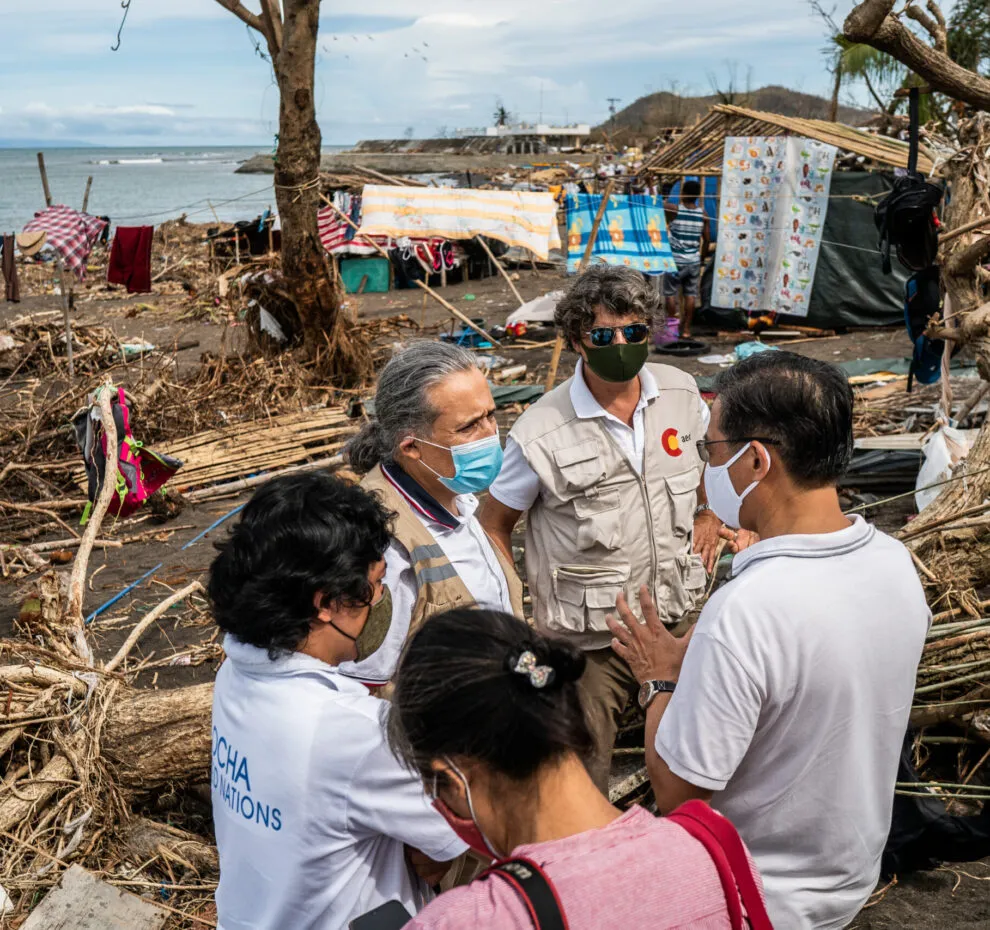
Photo: © UNOCHA / Martin San Diego
Stories and News
Updates on current news, stories and Finland’s engagement in the United Nations and the world.

Nordic Statement at the General Assembly Veto Debate (external link)
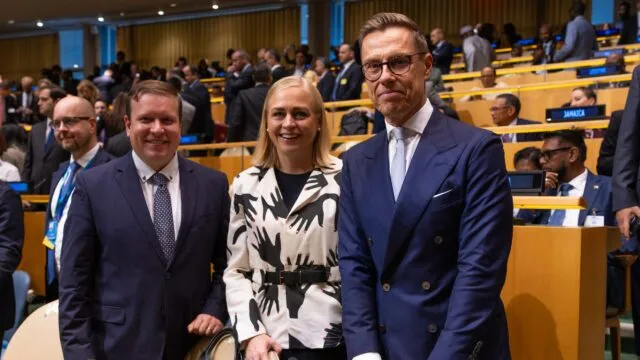
Finland advances UN reform and multilateral cooperation at High-Level Week
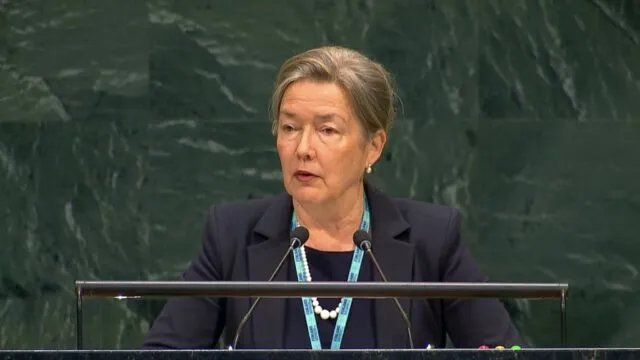
Statement by H.E. Ms. Elina Kalkku, Permanent Representative of Finland on behalf of the Nordic countries in GA Veto debate
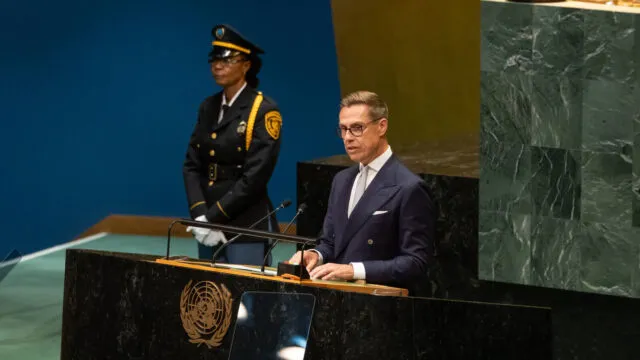
President Alexander Stubb at the General Debate of the 81st Session of the UN General Assembly 2026